

Freshly Roasted Specialty coffee
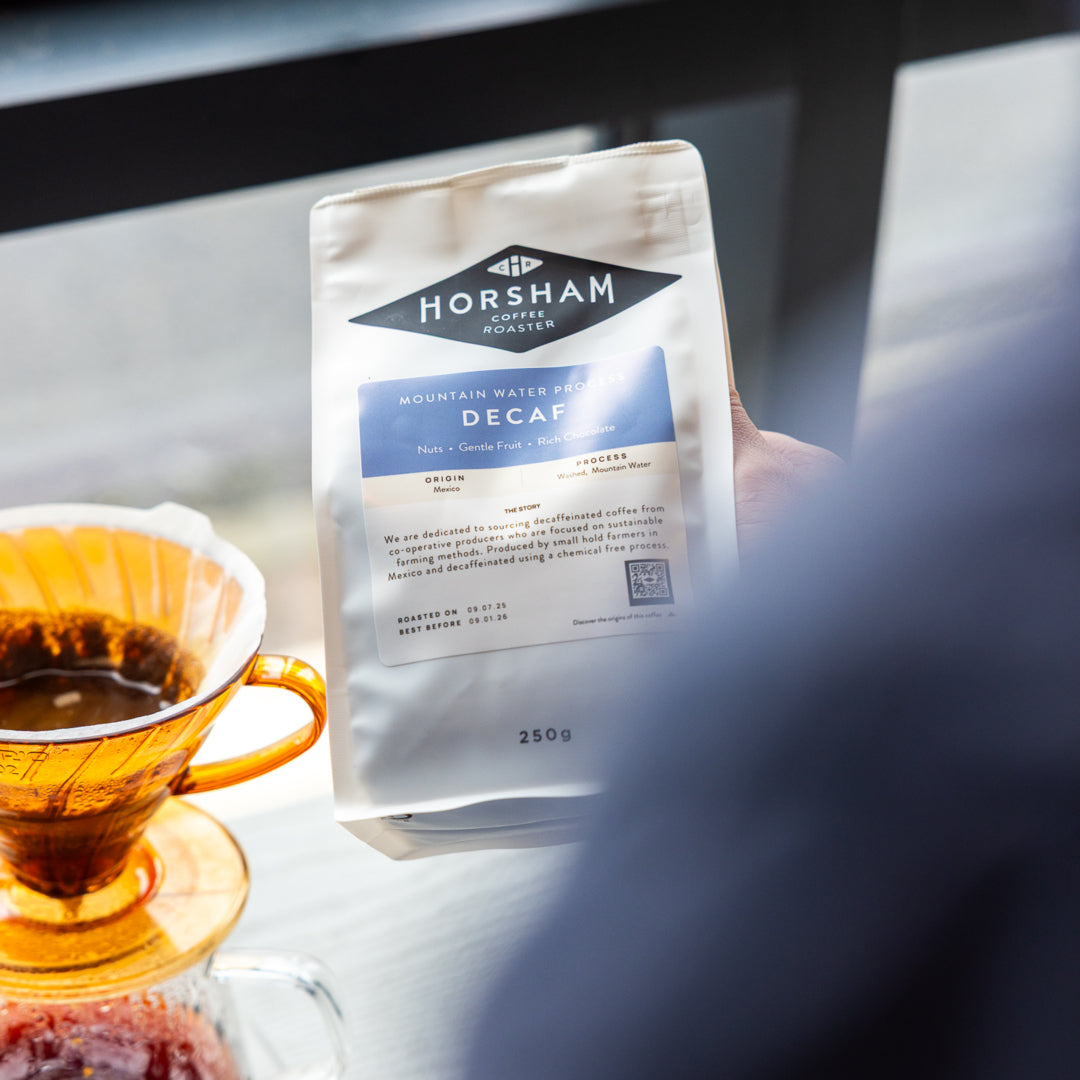
Explore our range of decaf coffee beans
If you are trying to reduce your caffeine intake you no longer need to drink poor quality, mediocre coffee! We always aim to offer traceable, single origin, chemical free, decaf coffee beans. We also like to feature interesting and unusual high cup score decaf when available. Want to view all of our coffees? If so take a look at our Coffee Bean collection.

Decaf Coffee Shopping Guide
Decaf coffee should still taste like great coffee. Our approach is to source speciality-grade decaf beans that offer sweetness, balance and a clean cup, without relying on caffeine to deliver a satisfying coffee experience.
Whether you’re cutting down on caffeine, switching to decaf in the afternoon, or looking for a coffee you can enjoy later in the day, our decaf coffees are selected for flavour first. Expect comforting notes like chocolate, nuts and gentle fruit, with a smooth profile that works well across a range of brew methods.
Why choose speciality decaf coffee?
Not all decaf coffee is created equal. Many supermarket decaf coffees in the UK are roasted dark to mask the effects of lower-quality green coffee or harsh decaffeination methods. Speciality decaf coffee starts with better coffee, meaning more sweetness, more clarity and a much more enjoyable experience.
We look for traceable coffees that have been carefully decaffeinated using cleaner, chemical-free methods such as Swiss Water or Mountain Water processing. These methods are designed to remove caffeine while preserving as much of the coffee’s original flavour as possible.
What does decaf coffee taste like?
Like caffeinated coffees, our decaf coffee can have a wide and varying range of flavours.
Depending on the origin and decaffeination method, some decaf coffees can be richer and more classic, while others may offer a brighter, fruitier cup. We update our range when we find standout lots that meet our quality standards.
Decaf coffee for espresso machines, filter and cafetiere
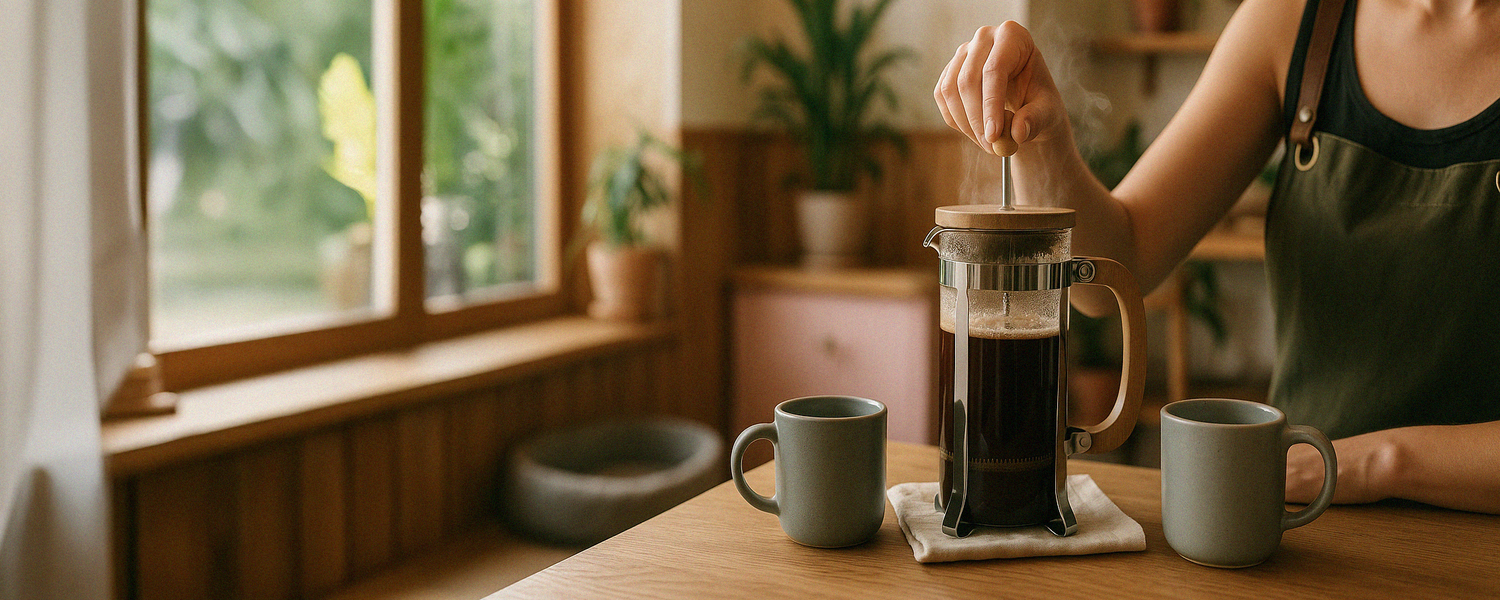
Our decaf coffee beans are suitable for a variety of brew methods, including espresso, filter, AeroPress and cafetiere. For espresso, decaf often produces a sweet, rounded cup with plenty of body. For filter brewing, you can expect a clean and mellow coffee that is easy to drink black or with milk.
For best results, choose whole bean decaf coffee if you have a grinder at home. Freshly grinding your decaf coffee just before brewing will help preserve aroma, sweetness and flavour. If you don’t have a grinder, select the ground decaf coffee which matches your preferred brew method.
When is the best time to drink decaf coffee?
Decaf is ideal for anyone who enjoys the ritual and flavour of coffee but wants to reduce their caffeine intake. It’s especially popular in the afternoon and evening, or for those who are more sensitive to caffeine.
Because the caffeine has been almost entirely removed, decaf coffee lets you enjoy another cup without the same stimulating effect as regular coffee. It’s a simple way to keep drinking great coffee throughout the day.


Choosing Decaf Coffee Beans
Decaf Coffee Bean FAQs
Will decaf coffee keep me awake?
For most people, no — with over 99% of the caffeine gone, decaf is the natural pick for the afternoon, the evening, or anyone cutting down. Sensitivity does vary, so the small amount of trace caffeine affects some people more than others.
Is "Mountain Water" decaf the same as Swiss Water?
Essentially, yes. Both are water-only processes that remove caffeine without chemical solvents. "Swiss Water" is a trademarked version of the method, so water-process decaf from Latin America is often labelled "Mountain Water" instead — you'll see Colombian or Mexican Mountain Water. The principle is identical: green coffee is soaked so its flavour compounds and caffeine dissolve into the water, the caffeine is filtered out, and the flavour is returned to the beans. We buy both methods depending on availability over the year.
What is sugarcane (EA) decaf?
Sugarcane decaf — sometimes called EA decaf — uses ethyl acetate, a compound derived from fermented sugarcane that also occurs naturally in ripe fruit. The beans are steamed to open their pores, then washed in the EA solution, which bonds to and lifts out the caffeine. It tends to preserve sweetness and fruit character especially well, and because most of it happens at origin the coffee is decaffeinated fresh. We stock it when we find a lot worth featuring.
How are decaf coffee beans produced?
Decaf coffee has come a long way, and today - more natural methods are used to preserve the flavour of the coffee beans and bring the end product to you. We only sell coffee that has been processed using one of the natural methods and when available we also offer an Organic certified decaf coffee. We tend to favour methods like Swiss Water Decaffeination, CO2 and the E.A Sugarcane method.
The process alters the colour of the coffee and typically decaffeinated coffee beans will be darker in colour than regular beans.
Do decaf coffee beans taste as good as regular coffee?
Typically the decaffeination process will cause some changes in the flavours found within the coffee. We select decaf coffee beans that have been produced from high-quality speciality coffee, helping preserve sweetness, balance and flavour after decaffeination. This means that there are still great flavours and tasting notes to be found in the coffee even after the decaf process.
The Swiss or Mountain Water process tends to produce a decaf with less acidity and a more traditional flavour profile of chocolate, nut and gentle fruit acidity. The Colombian E.A. process will often produce a brighter, fruitier coffee especially if applied to a natural processed coffee.
How much caffeine is found in decaf coffee?
The decaffeination process is very effective and will typically remove over 99% of the caffeine. The Swiss Water Process promises removal of 99.9% percent resulting in almost completely caffeine free decaf coffee beans.
Do high cup score decaf coffee beans exist!?
Yes they do! Although our standard decaf coffee beans do taste fantastic they are more similar to a traditional lower acidity coffee from origins like Brazil.
Sometimes we are able to find higher cup score decaf coffees that have been produced from more interesting vibrant, higher cup score coffees. After decaffeination many of these flavours remain resulting in a higher cup score. One good example is a natural processed Castillo varietal from Jairo Arcila in Colombia.
Can you drink decaf coffee when pregnant?
Decaf is a common choice during pregnancy because it contains only trace caffeine — typically over 99% is removed. It isn't completely caffeine-free, though, so if you're keeping a close eye on your intake it's worth a quick word with your midwife or GP. We go into the numbers in our guide, How Much Caffeine is in Decaf Coffee?.
How we roast our decaf coffee
We treat decaf exactly like the rest of our coffee. Dudley roasts every batch on our Loring S35, profiling it to bring out sweetness and body rather than hiding the bean behind a dark roast. We regularly cup our decaf coffee, so the decaf you receive has cleared the same quality bar as our caffeinated single origins. To brew it at home we'd start with around 15–16g of coffee to 250g of water and adjust to taste — and, as with all our coffee, grind fresh just before brewing for the best cup.